Exploring the architectural gems of Patan: A guide to Patan Durbar Square and Patan Heritage Walk
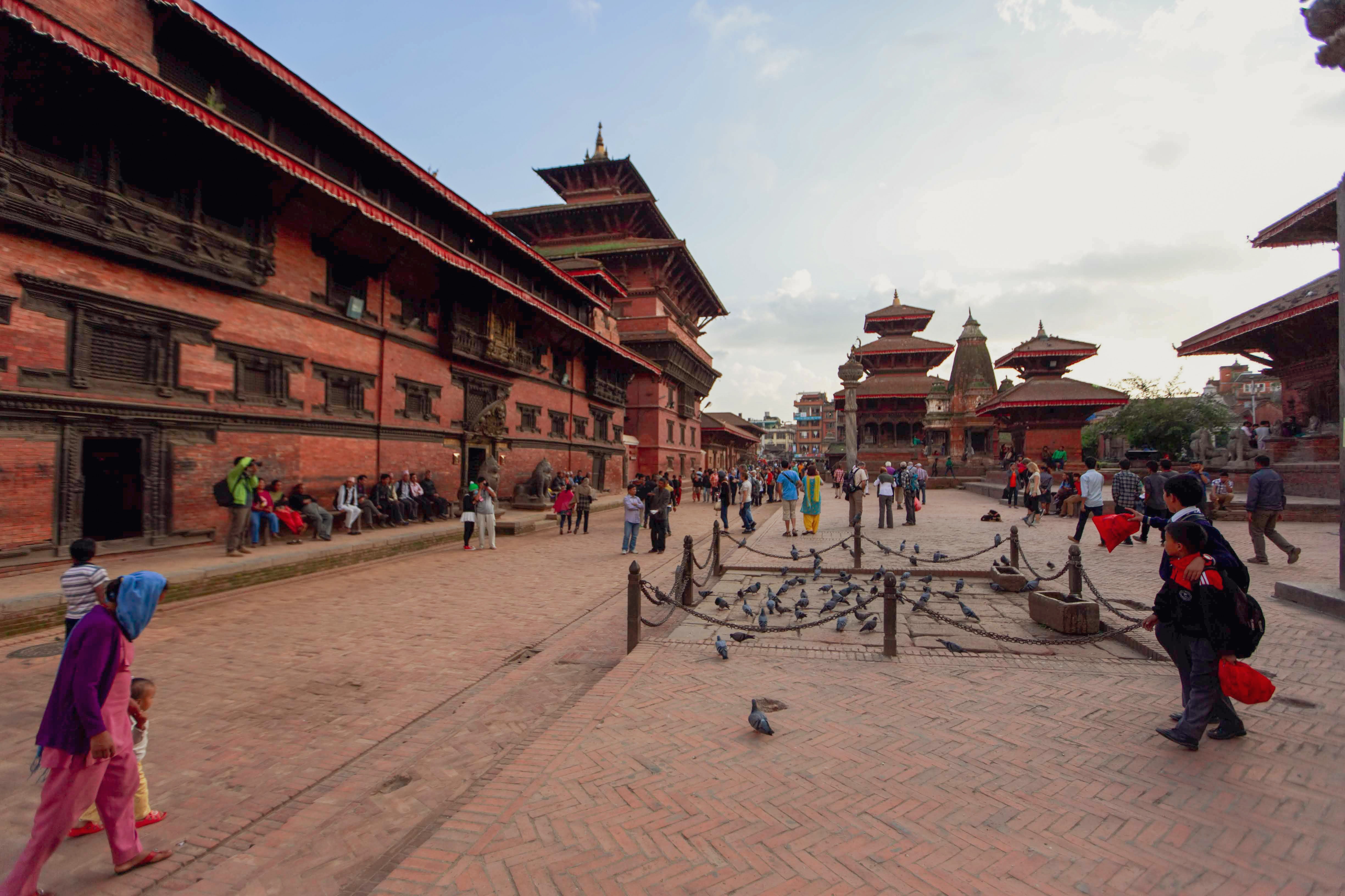
Patan Durbar Square, located in the centre of Patan, Nepal, is a UNESCO World Heritage Site and one of the country's most important cultural and historical landmarks. The square is home to several temples, palaces, and other architectural treasures from the Malla period (15th to 18th centuries). This historic city is also known as "Lalitpur," which translates as "City of Fine Arts," and it more than lives up to its name.

Patan Durbar Square is one of the most well-preserved old cities in the Kathmandu Valley, and it is a wonderful example of traditional Newari architecture. Visitors to the plaza can marvel at the beautiful carvings, woodwork, and metalwork that adorn the buildings and temples, demonstrating the high degree of craftsmanship that existed throughout the Malla period. The square is also bordered by traditional Newari houses, courtyards, and temples, making it an ideal destination for people interested in architecture, history, and culture.
The Royal Palace, also known as the Patan Durbar, was the seat of the Malla monarchs and the focus of political and cultural events throughout the Malla period and is the major attraction of the Patan Durbar Square. The palace is a complex of buildings and courtyards that are ornately decorated with carvings, woodwork, and metals. The palace was built in the Pagoda architectural style and has three main courtyards: Mul Chowk, Sundari Chowk, and Keshav Narayan Chowk. The palace also houses the famous "Golden Temple," also known as Hiranya Varna Mahavihar, which is one of the square's most stunning temples.
The Krishna Mandir, another major temple in Patan Durbar Square, is regarded as one of Nepal's greatest examples of Newari architecture. The temple, which is dedicated to Lord Krishna, is well-known for its beautiful carvings and metal work. Inside the temple, visitors may also view the magnificent stone carvings and metal statues of numerous Hindu deities. The temple is also famous for its'stone structure,' which are beautifully carved timber brackets that support the roof of the temple.
Other noteworthy temples in Patan Durbar Square include the Bhimsen Temple, the Taleju Temple, and the Jagannath Temple, all of which are embellished with elaborate carvings, woodwork, and metalwork. The Bhimsen Temple is dedicated to the god of commerce and trade, and it is a popular place of worship for local merchants. The Taleju Temple is devoted to the mother goddess Taleju, who is revered as the Kathmandu Valley's protector deity. The Jagannath Temple honors Lord Jagannath, a manifestation of Lord Vishnu.
A Patan Heritage Walk is another opportunity to learn about Patan's rich cultural and historical heritage. The walk takes you through Patan's ancient city, which is known for its typical Newari buildings, temples, and courtyards. Visitors can discover the traditional lifestyle of the Newari people by exploring the city's backstreets and hidden alleys. The stroll begins at Patan Durbar Square and proceeds through the city's ancient neighborhoods, including Mangal Bazaar, the Kumbheshwar Temple area, and the Tachhali Tole.
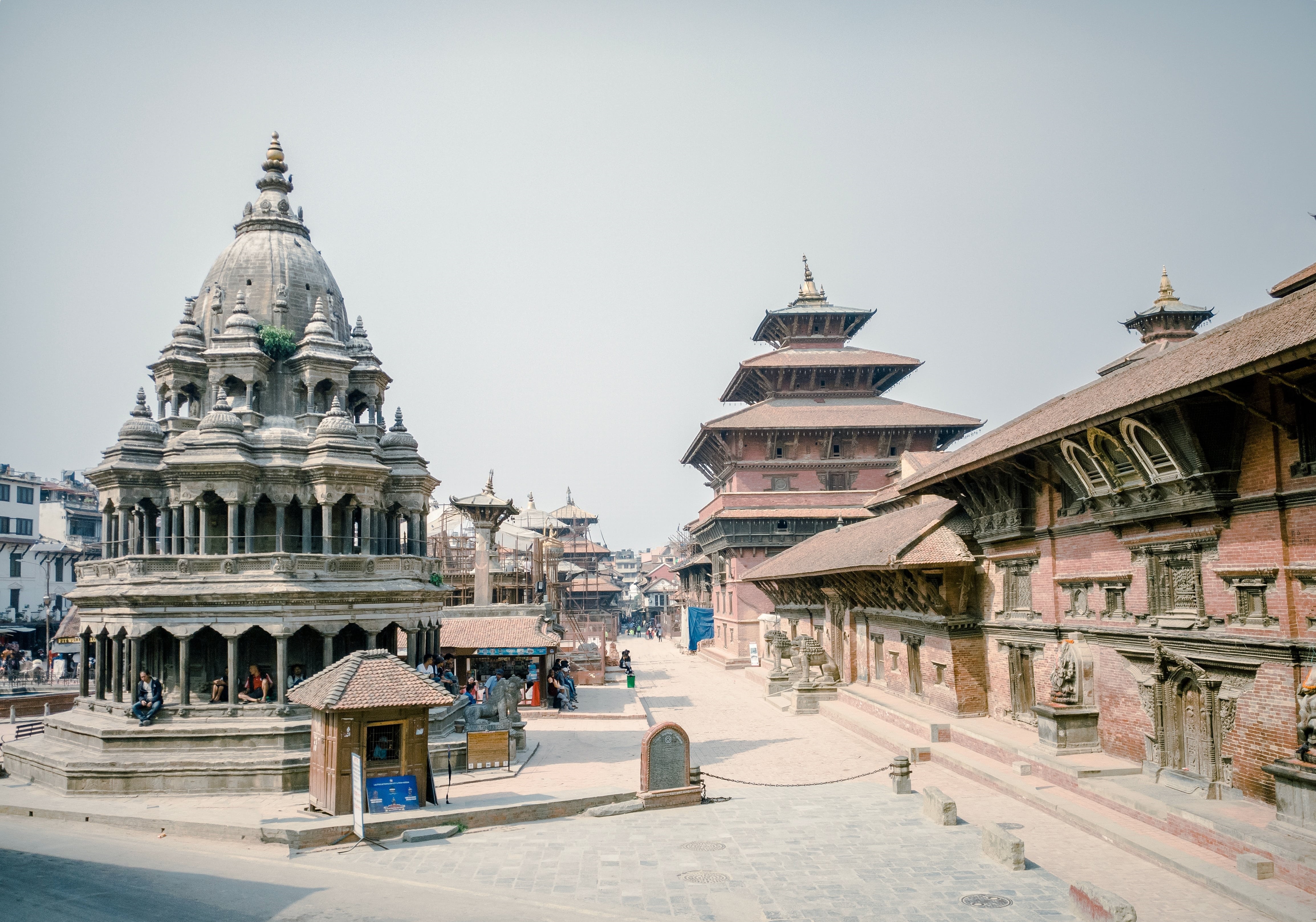
The Patan Heritage Walk also includes visits to some of the city's most important temples and architectural jewels, including the Rato Machhindranath Temple, the Minnath Temple, and the Sundari Chowk. The Rato Machhindranath Temple is dedicated to the god of rain and agriculture and is one of Patan's most important temples. The Minnath Temple honors the god of music and dance and is known for its beautiful carvings and metalwork. The Sundari Chowk is a picturesque courtyard surrounded by traditional Newari dwellings, and it is an excellent site to learn about the Newari way of life.
The Patan Heritage Walk also includes a stop to the Kumbheshwar Temple, one of Patan's most important temples. It is dedicated to Lord Shiva and is known for its beautiful carvings, woodwork, and metalwork. Inside the temple, visitors may also view the magnificent stone carvings and metal statues of numerous Hindu deities. The temple is particularly famous for its sacred ponds, which are revered by the locals.
The walk also includes a stop at the Patan Museum, which houses a huge collection of traditional and old Kathmandu Valley items. The museum is located in Patan Durbar Square and is an excellent destination to learn about Kathmandu Valley history, culture, and art. The museum houses an extensive collection of antique texts, statues, and other relics from the Malla period.